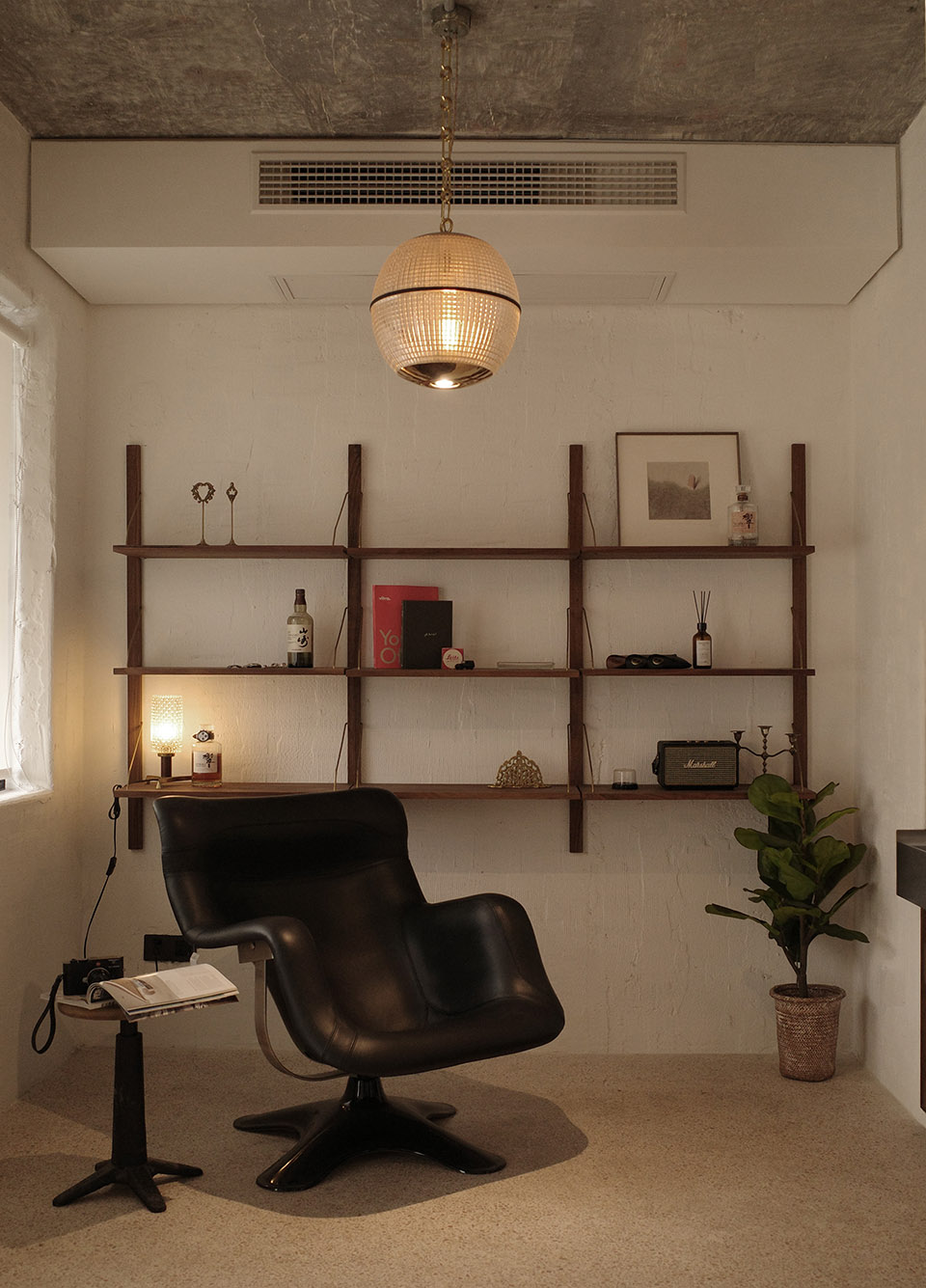
Manila Restaurant Interior Design | Creating Iconic Luxury Dining Experiences
In a city where dining is both a cultural ritual and a social celebration, restaurant interiors must do far more than house tables and kitchens. In Manila, food is intertwined with family gatherings, business meetings, late-night barkada dinners, and weekend celebrations. A restaurant’s environment must capture that vibrant spirit while offering something memorable—something guests want to experience again and again.Manila Restaurant Interior Design
From the bustling streets of Makati’s central business district to the lifestyle hubs of Bonifacio Global City and the historic charm of Intramuros, the hospitality landscape in Manila is dynamic and increasingly design-driven. Within this competitive environment, Manila Restaurant Interior Design plays a powerful role in shaping venues that feel iconic, emotionally engaging, and visually unforgettable.
At our firm, we believe that a restaurant becomes a destination when design, atmosphere, and storytelling align seamlessly with the culinary concept.
Understanding Manila’s Dining Culture
Before a single sketch is drawn, successful restaurant design begins with understanding the city itself.
Manila’s dining culture is energetic and communal. Filipinos often dine in groups, celebrating milestones with shared dishes and long conversations. Phrases like “Kain tayo” (let’s eat) and “Sama-sama sa mesa” (together at the table) capture the social essence of local dining habits.
Several local factors shape restaurant design decisions:
1. Urban Lifestyle & Business Districts
Makati, Bonifacio Global City (BGC), and Ortigas host professionals seeking premium dining experiences after work. Restaurants here must balance elegance with comfort, creating environments suitable for both corporate dinners and relaxed gatherings.
2. Tourism & Global Influence
As an international gateway, Manila welcomes visitors seeking Filipino cuisine, modern Asian fusion, and global fine dining. Restaurants must feel locally authentic while maintaining a level of sophistication expected by international travelers.
3. Climate & Spatial Comfort
The tropical climate influences material selection, ventilation strategies, and the integration of indoor-outdoor dining. Shaded terraces, breezy layouts, and natural materials often enhance comfort while reflecting the relaxed island lifestyle.
4. Social Media Culture
In Manila’s vibrant café and dining scene, visually striking interiors quickly become online sensations. A beautifully designed restaurant can transform into a destination simply because guests want to photograph and share the experience.
These cultural insights shape the foundation of thoughtful Manila Restaurant Interior Design.
From Concept to Culinary Destination
Designing a remarkable restaurant is a journey—one that blends storytelling, spatial intelligence, and emotional design.
Our firm approaches restaurant design through several carefully structured stages.
1. Concept Development & Brand Storytelling
Every iconic dining space begins with a narrative.
Is the restaurant celebrating Filipino heritage? Is it a modern tasting venue showcasing progressive cuisine? Or perhaps a lively grill concept inspired by coastal markets?
Through workshops with restaurateurs and chefs, we translate the culinary vision into a spatial story. This concept influences every design decision—from architectural forms to lighting mood.
In Manila, storytelling often draws inspiration from cultural textures: capiz shell lighting, woven rattan accents, volcanic stone finishes, or contemporary interpretations of traditional bahay kubo architecture.
The goal is authenticity, not imitation.
2. Spatial Planning & Guest Flow
Restaurant success is not only about aesthetics—it is about movement.
Guests should experience the space intuitively. From the moment they enter, circulation pathways guide them through welcoming lounges, dining areas, and private rooms.
In dense urban districts like BGC, efficient spatial planning becomes especially critical. Restaurants must maximize seating capacity while maintaining comfort and privacy.
Key spatial considerations include:
-
Seamless transitions between bar, dining, and lounge areas
-
Balanced table spacing for intimacy and acoustic comfort
-
Clear service pathways for staff efficiency
-
Strategic positioning of feature elements such as open kitchens or wine displays
Thoughtful planning ensures the restaurant feels lively rather than crowded.
3. Designing Atmosphere Through Lighting
Lighting is one of the most powerful emotional tools in restaurant design.
During lunchtime, spaces should feel vibrant and inviting. In the evening, lighting shifts toward warmth and intimacy, creating a luxurious dining atmosphere.
In many successful Manila Restaurant Interior Design projects, layered lighting creates depth:
-
Ambient lighting establishes the overall mood
-
Accent lighting highlights architectural features
-
Table lighting focuses attention on the dining experience
-
Decorative fixtures become visual statements
Dramatic chandeliers, sculptural pendants, and subtle concealed lighting often transform dining rooms into theatrical environments.
4. Materials, Texture & Sensory Experience
Great restaurant design engages all the senses.
Material palettes must reflect both the culinary identity and the climate. In Manila’s tropical environment, materials should feel tactile, breathable, and timeless.
Common design approaches include:
-
Natural stone paired with warm wood tones
-
Textured plaster or artisan wall finishes
-
Woven rattan, bamboo, or locally inspired materials
-
Polished metals or marble accents for luxury venues
Layering these elements creates depth and visual richness, while ensuring the space remains comfortable and inviting.
5. Furniture & Seating Experiences
Seating design directly influences how guests experience the restaurant.
Different dining occasions require different spatial moods:
-
Intimate booths for romantic dinners
-
Communal tables for social gatherings
-
Bar seating for casual encounters
-
Private rooms for business meetings or celebrations
Comfort is essential. Guests should feel encouraged to stay longer—sharing dessert, ordering another drink, or enjoying extended conversations.
When furniture integrates seamlessly with the architectural concept, the space feels curated rather than assembled.
6. Kitchen Integration & Operational Efficiency
Behind every beautiful dining room lies a carefully coordinated operational system.
The relationship between the kitchen, service stations, and dining areas determines how smoothly a restaurant functions.
Our firm works closely with chefs and operators to design layouts that support efficiency while maintaining a refined guest experience.
For example:
-
Open kitchens create theatrical engagement with guests
-
Discreet service corridors allow smooth staff movement
-
Smart zoning prevents noise or congestion
When design supports operations, service becomes effortless.
Designing for the Digital Dining Era
Today’s diners often discover restaurants through images before they ever visit.
A striking interior can quickly become a powerful marketing asset. Guests naturally photograph unique spaces—dramatic ceilings, sculptural bars, artistic lighting installations.
In Manila’s digitally connected dining culture, “Instagrammable” environments can significantly influence brand visibility.
However, true design success goes beyond photogenic moments. The space must feel authentic and emotionally engaging.
Guests should leave not only with photos—but with memories.
The Craft of Luxury Dining Spaces
High-end restaurants and Michelin-level venues elevate design to an art form.
Every element is intentional:
-
Custom furniture crafted by artisans
-
Hand-finished materials reflecting craftsmanship
-
Carefully choreographed lighting sequences
-
Architectural features that define the identity of the venue
Luxury restaurant design emphasizes atmosphere, exclusivity, and storytelling. The dining environment becomes an extension of the chef’s culinary narrative.
These spaces feel immersive, sophisticated, and unforgettable.
Creating Iconic Dining Experiences in Manila
As Manila’s hospitality landscape continues to evolve, restaurants must offer more than excellent cuisine. They must deliver experiences that resonate emotionally and culturally.
Exceptional Manila Restaurant Interior Design blends:
-
cultural authenticity
-
architectural creativity
-
operational intelligence
-
sensory storytelling
When these elements align, a restaurant transforms from a simple venue into a destination—a place where people gather, celebrate, and create memories.
At our firm, we guide restaurateurs through every stage of this journey—from concept development to final styling—ensuring that every design decision supports both the culinary vision and the guest experience.
The result is not simply a restaurant.
It is a space where design, food, and culture come together to create something truly iconic.